Before we talk about the architecture of a data warehouse, we need to understand what a data warehouse is. A data warehouse integrates a heterogeneous and mixed collection of data sources into a standardized format. The data warehouse is designed to meet regulatory requirements and provide business intelligence (BI), reporting, and analytics so that businesses can transform data into information and make actionable decisions. The data warehouse is the single source of truth for the organization. It stores all past and present data in one place.
What is Data Warehouse Architecture?
Data warehouse architecture involves the design, architecture, implementation, and management of the day-to-day functions that use data to support organizational decision-making and information. Data warehouses combine large volumes of data collected from different sources into a single relevant source. In a data warehouse architecture, data is transformed into information and information into knowledge for analysis.
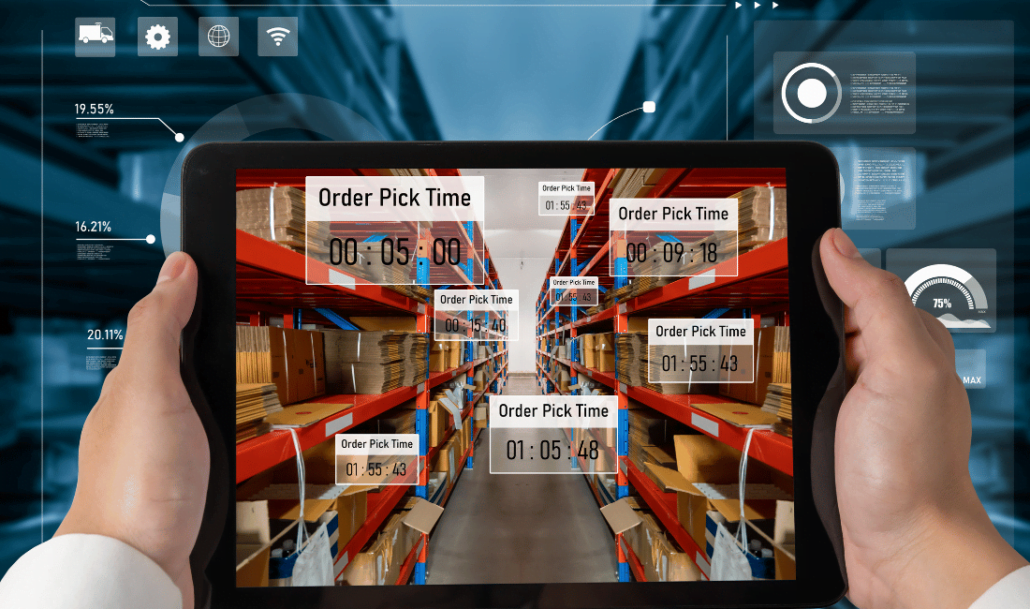
The data lifecycle includes data collection from defined sources, data integrity management, aggregation, data storage, data delivery, and continuous data improvement based on organizational maturity, analytics, and business needs. The data warehouse design should support these tasks and other aspects of the data lifecycle.
Types of Data Warehouse Architecture
There are three types of data warehouse architecture.
One-tier Architecture
Real-time systems do not use a one-tier architecture, also called as single-tier architecture. They can be used for batch processing and real-time processing. Data is transferred to the one-tier architecture and then converted to a format suitable for real-time processing. This is what the “single-layer” architecture refers to. The data is then transmitted to the system in real-time. Currently, single-layer architectures are the most common form of real-time processing. However, real-time systems do not use single-threaded architectures.
The software that processes and stores the data must evaluate the quality of the data before it is accepted by the analysis mechanism and transformed into meaningful information. If these procedures are not followed, malicious software or code may be introduced into the middleware. Take credit scoring as an example. If a malicious hacker takes control of the middleware, the results can be manipulated, and sensitive data can be compromised.
Two-tier Architecture
The two-tier data warehouse architecture separates the physical data source from the data structure and the data warehouse itself. Unlike the one-tier model, the two-tier model uses a database system and a server.
This model is typically used by smaller companies that use one server as a data warehouse. Two-tier systems are more efficient in organizing and storing data but are less scalable and only suitable for a limited number of users.
Three-tier Architecture
The source layer (which contains multiple source systems), the rebalancing layer, and the data warehouse layer (which includes the data warehouse and the data store) form a three-tier architecture. The rebalancing layer is located between the data warehouse and the source data.
The main advantage of this level of integration is that it allows the creation of a standardized information model across the whole company. It also separates the challenges of creating a data warehouse from the challenges of extracting and integrating source data. Sometimes, the compliance layer can be used directly to optimize specific operational tasks, such as creating daily reports that do not fully comply with business applications or creating data sources that feed external processes regularly and benefit from consolidation and cleansing.
This approach is particularly suitable for large enterprise systems. The drawbacks of this structure are that redundant synchronization layers require additional disk space and the risk of analytics deviating from real-time.
Benefits of Data Warehouse Architecture
Organizations can benefit from the many advantages of a data warehouse architecture.
Better decision-making: enables better decision-making with a single source of truth for data reporting and analysis.
Improved data accuracy and consistency: standardizing and integrating data from different sources to ensure reliable and consistent information.
Improved efficiency: reducing the time needed to extract, search, and analyze data.
Scalability: supporting the gradual increase in the volume and complexity of data.

Challenges of Data Warehouse Architecture
Challenges related to data warehouse architecture include.
High implementation costs: building and managing a data warehouse requires significant investment in hardware, software, and human resources.
Long development cycles: long design, implementation, and testing cycles can delay the benefits of the data warehouse.
Unstructured data management: media files and social networking information are unstructured data that are difficult to store and manage in a traditional data warehouse.
Conclusion
This blog has helped you better understand a data warehouse’s architecture. You can also read our article about on-premise vs cloud if you want to know more about data warehousing. You may also like to read articles written about the differences between active and traditional data warehouses.