Data is essential now. It is the lifeblood of your business. Every customer transaction, every click, every interaction creates it. What matters is how you leverage it.
Most companies are using outdated tools. Like batch reports, time-consuming queries, and data that is only a few days old. In 2026, such methods will no longer work. Cloud-based data warehouses can make a big difference in this regard. It is real-time. It is scalable. It helps you react instantly based on what is happening.
However, times change. Some new trends are impacting how such systems are built and operated. In this guide, we will discuss them.
Cloud-Based Data Warehouse
What Is a Cloud-Based Data Warehouse?
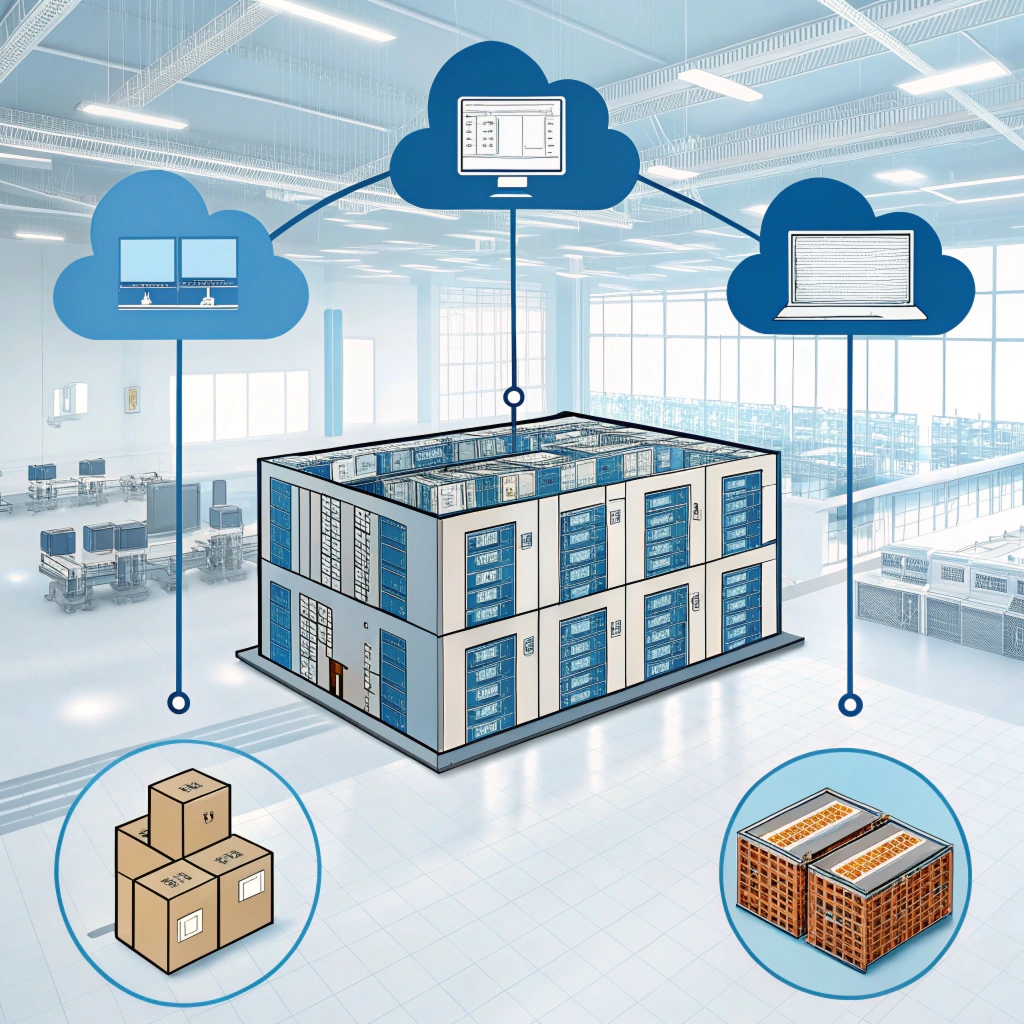
Cloud-based data warehousing is a platform for storing all your data in the cloud. This data comes from your CRM, ERP, applications, and databases. Everything is in one place.
There are no servers in your office. There is no hardware to manage. Your data is stored in the cloud and can be accessed from anywhere.
The biggest benefit of cloud-based data warehousing is its easy scalability up or down as needed. In fact, by 2026, it will no longer be an option, but an essential requirement.
Why Businesses Are Moving Now
Change is inevitable and has been going on for years. It will reach its peak by 2026. Legacy systems are unable to handle the vast amounts of data today and are also very expensive to maintain. In addition, they do not allow AI solutions to provide the necessary data. Businesses are migrating to cloud-based data warehouses for several reasons:
- The amount of data is increasing every year
- Teams now work remotely and need access to their data
- Decision-making is now real-time or instantaneous
- Cloud platforms have low maintenance costs
- Proper data management according to regulations is essential
- AI requires well-organized, fast and interconnected data
The longer you wait, the greater your losses.
Trend 1: AI Is Now Built Into the Platform
This is the biggest change of 2026. In the past, AI was a separate technology that you had to implement. You would build your data warehouse, and then add AI on top of it.
Times are changing fast, and AI is becoming a part of cloud-based data warehouses.
What AI does:
- It cleans data as it comes in
- It predicts the future based on past data
- It identifies duplicates and removes them
- It automatically finds trends in your data
- It automatically optimizes slow queries
- It identifies errors and alerts you about them
ExistBI specifically mentions this change. AI helps simplify the process of data integration. It automatically identifies connections between different datasets and alerts you to any potential problems.
Your employees spend more time analyzing data than cleaning it.
Trend 2: Real-Time Data Is the New Normal
The old system worked through batch processing. Data came in at night, and reports were generated during the day.
Ten years ago, everything was running smoothly. But not anymore.
Customers need an immediate personal experience, managers need access to performance data in real time, and operations teams need an immediate alert when something happens.
Instead, a cloud-based data warehouse processes data in real-time. You can see what’s happening now, not yesterday or last week. ExistBI addresses this directly. Companies that work with real data gain a clear advantage in their business. They identify trends early, act on them immediately, and make decisions based on new information.
Trend 3: The Rise of the Lakehouse
The old-style data lake stored all the data. But it was unstructured and slow.
The old-style data warehouse was well-organized and fast. But it could only process organized data.
With Lakehouse, you get both. It can store all kinds of data. It is well-organized. And it works fast.
This is important for artificial intelligence. Machine learning requires large, diverse data sets, both structured and unstructured. Lakehouse provides this benefit in a single database.
Today’s most advanced technologies use the Lakehouse architecture. Databricks, Snowflake, and Microsoft Fabric are leading the way. ExistBI builds Lakehouse environments based on all of these technologies.
Trend 4: Scalable, Distributed Cloud Infrastructure
Nowadays, a single server is not enough to handle large amounts of data.
A cloud-based data warehouse works on a distributed architecture. Your computing power is spread across multiple nodes. And your data storage is independent of the computing layer.
Why is this important? Because both can be scaled independently. Need more computing power to run a query? Scale up. Done? Scale down to save costs. This architecture ensures that costs stay low, performance stays high, and there is no need to build everything from scratch as the business grows. ExistBI provides exactly that – a scalable cloud-based data warehouse solution from day one.
Trend 5: Stronger Data Governance and Compliance
More data means increased risk and increased compliance regulations.
By 2026, GDPR, CCPA, HIPAA, and other legal obligations will be more stringent than ever. Failure to do it right can result in large fines and serious reputational damage. Data governance has become a mandatory component of any cloud-based data warehouse design. It’s not something that can be thought of after the fact.
Effective data governance includes:
- Ownership management for each data set
- Role-based access control
- Audit trails for every action taken on the data
- Data classification of sensitive fields
- Compliance monitoring
ExistBI designs governance into every solution from day one. AI plays a role here, too. It detects access patterns. It detects policy violations. It automatically creates audit trails.
Trend 6: Multi-Cloud and Hybrid Setups
When it comes to cloud service providers, one solution doesn’t fit all.
Some data resides in AWS, some in Azure, and some in Google Cloud. Good cloud data warehousing solutions will include all of these clouds. Hybrid models are also increasingly being used. While some data is kept on-premises due to compliance requirements, the rest is moved to the cloud. ExistBI is completely platform-independent. We partner with platforms like Snowflake, Azure Synapse, Amazon Redshift, Google BigQuery, Databricks, Microsoft Fabric, IBM Db2, and SAP.
Trend 7: Predictive Analytics Replaces Reporting
Traditional business intelligence (BI) tools focused on past events. They explained what happened. Modern BI tools built on cloud-based data warehouses focus on the future. They explain what to expect next.
A key feature of most modern clouds is the ability to perform predictive analytics. Your data warehouse uses historical data to build predictive models that forecast demand, identify risks, and suggest potential courses of action.
Businesses no longer need to react; they can now predict. ExistBI is ready for this shift in business thinking.
How to Stay Ahead
These are changing rapidly. Those who don’t consider them will be left behind.
What you need to do immediately is:
- Evaluate your current data infrastructure
- Identify the missing pieces of your data pipeline
- Choose a cloud infrastructure that complements your stack
- Integrate your AI and governance from day one
- Partner with someone who has done it before
Don’t wait for your competitors to make the first move.
How ExistBI Can Help
ExistBI has been implementing cloud data warehouses since 2008. Our team consists of over 300 expert professionals. We have served over 25 industry sectors.
ExistBI covers all stages of your cloud data warehouse implementation:
- Assessment and Strategy
- Data Governance and Compliance Setup
- Architectural Design and Data Modelling
- AI and Predictive Analytics Integration
- Launch, Testing and Training
- ETL and Data Pipeline Implementation
We are not tied to any specific platform. We deploy Snowflake, Azure Synapse, Amazon Redshift, Google BigQuery, Databricks, Microsoft Fabric, IBM and SAP. We choose what best suits our business needs, not our personal needs.